

Screen Time vs. Family Vlog Time: How to Balance Kids' Media Habits Without Guilt
Family video projects can coexist with healthy screen limits. Here is how to tell passive scrolling from shared creating, and build a weekly rhythm that holds.
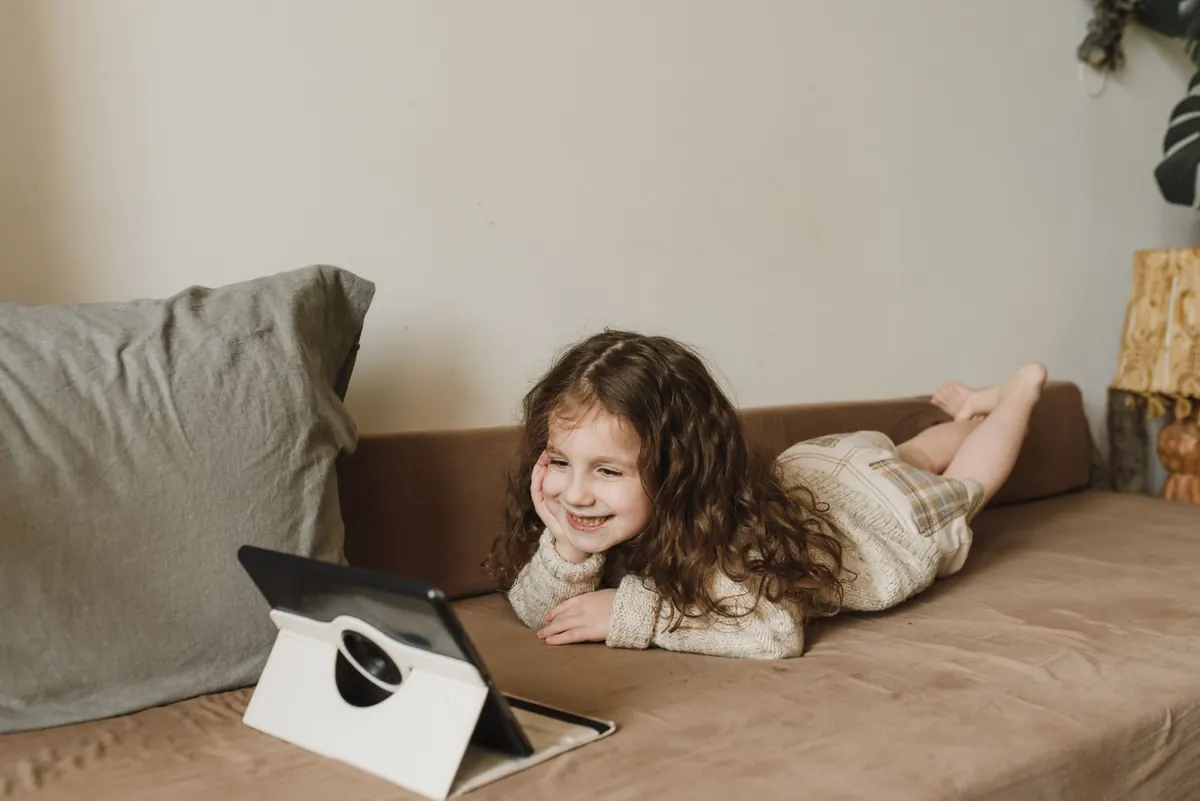
It is 7:40 on a Tuesday. Your nine-year-old is on the couch with a tablet, watching another family open mail and eat breakfast. Your twelve-year-old is filming her little brother doing a taste test of whatever is in the crisper drawer. Both kids are on screens. One of those scenes feels like a problem and one feels like a memory in the making, and you are supposed to pretend you cannot tell the difference.
You can tell the difference. That instinct is worth trusting, and it is also worth organizing. Most families do not need a stricter rule so much as a clearer picture of what screen time actually looks like in their house.
Not All Screen Minutes Cost the Same
Screen time gets discussed as if it were one substance, like sugar. It helps to break it into three activities that feel completely different to a child:
- Passive watching. Streaming other people's videos, autoplay, endless short clips. Low effort, easy to stretch well past the point of enjoyment.
- Active creating. Filming, editing, choosing a thumbnail, writing a caption. More decisions, more effort, and usually a natural finish line, because the project ends when it is done.
- Shared viewing. Sitting together with something to say about it: a family vlog you made, a clip from Saturday, a movie everyone picked.
Your vlog habit lives in the second and third categories. That does not make it unlimited, but it does mean the goal is not zero. The goal is ratio.
Build a Quick Media Map
Before you change anything, spend one ordinary week noticing. Keep a rough note on your phone — a line or two per day is plenty. Write down what happened, not how you felt about it.
On Sunday, sort those notes by asking three questions:
- Who was alone, and who was together?
- Was the screen doing something — filming, editing, a video call — or filling time?
- How did your child seem afterward? Calm, wired, grumpy, restless, or fine?
That third question tells you more than the clock does. Two kids can each spend an hour on a tablet and come out of it in completely different states. Patterns you can see are patterns you can adjust.
Make Vlog Time a Project, Not a Habit
Families who handle this well tend to share a few habits. None of them are complicated.
Give filming a container
Fifteen or twenty minutes, one specific idea, then the camera goes back in the drawer. "Make a two-minute video about the best sandwich in this kitchen" works far better than an open afternoon with a phone. Endings are what separate a project from a habit.
Protect private moments
Bedrooms, bath time, arguments, tears, anyone who said no. A simple family rule — ask before you film someone, and a no means no — prevents most of the fights that make parents regret buying a tripod. Kids deserve a veto over their own faces.
Finish the loop
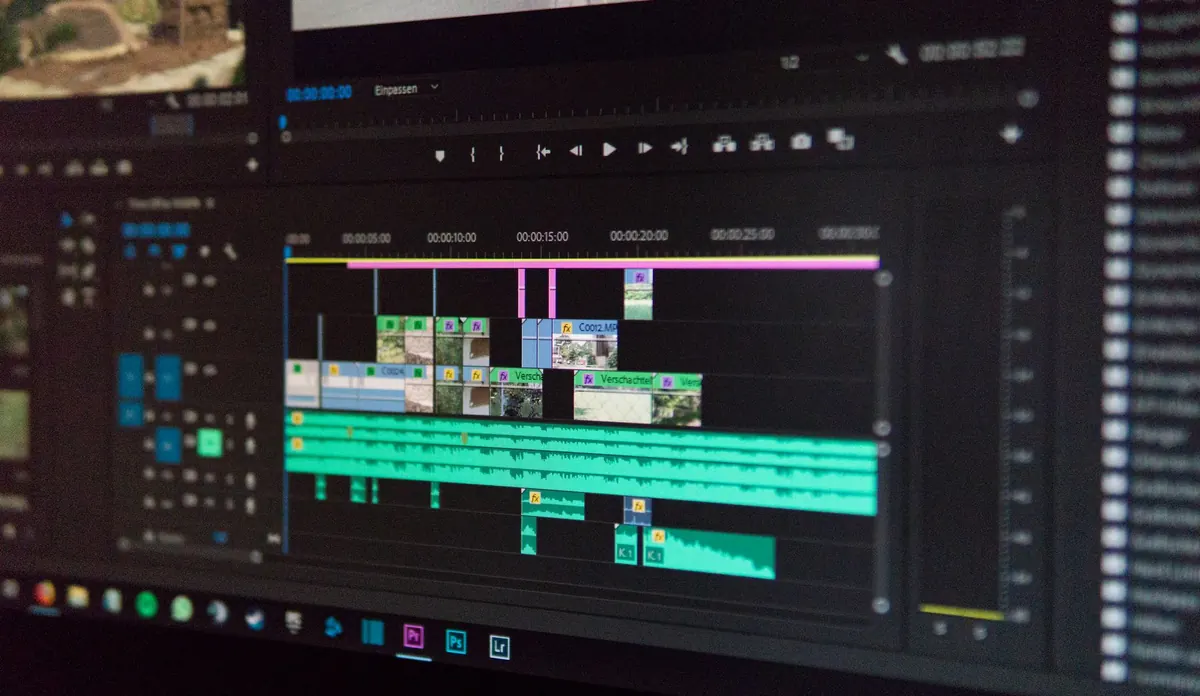
Editing and watching together is the payoff. A clip nobody ever watches is just clutter on a phone. Ten minutes of "let's cut this and watch it" turns the whole thing into a shared activity instead of solitary screen time with extra steps.
Keep Limits Simple Enough to Survive a Bad Day
Complicated systems collapse the first week someone has a fever or a late meeting. So keep the rules few and boring. Anchor passive watching to routines rather than to minutes: after homework, before dinner, never during meals. Keep devices out of bedrooms overnight. Agree on roughly how much solo watching is normal and say the number out loud so nobody has to guess.
Then review it out loud once a month — two minutes, at the table. "What is working? What is annoying?" Rules that get discussed get followed. Rules that get announced get negotiated at 9 p.m. on a school night.
When Guilt Is the Wrong Signal
Guilt usually shows up because you are comparing your Tuesday to somebody else's highlight reel, or because someone online has strong opinions about screens. It rarely changes behavior. What it does is make you inconsistent: you overcorrect for a week, then give up because the standard was impossible.
The useful question is not whether your kids use screens. It is whether the week you built is one your family could repeat without resentment.
A better check than guilt: sleep, school, mood, movement, friends. When those are steady, loosen up and enjoy the silly videos. When two or three are wobbling, cut the easiest thing first — usually autoplay, which is what turns a ten-minute video into forty. If concerns about your child's sleep, mood, or worry around devices keep coming back, talk with your pediatrician or a school counselor. This is general guidance, not medical advice.
This Week's Small Experiment
Pick one evening. Ask your child to make a three-minute video about something ordinary — the dog's dinner routine, a tour of the fridge, a review of last night's leftovers. Film it together if they want company. Watch it once, laugh, and put the phone away.
Then notice what actually happened. You spent twenty minutes side by side, your kid made something instead of consuming something, and the screen had a beginning and an end. That is the balance worth chasing — not a perfect number, just a rhythm you can run again next week.
Photo: Arina Krasnikova / Pexels