Rainy Day Family Challenge Night: 5 Low-Prep Games for Home
Five low-prep indoor challenge games for rainy days — sock shuffleboard, blindfold builds, balloon relays, snack roulette and story relays — plus simple filming ideas for the night.
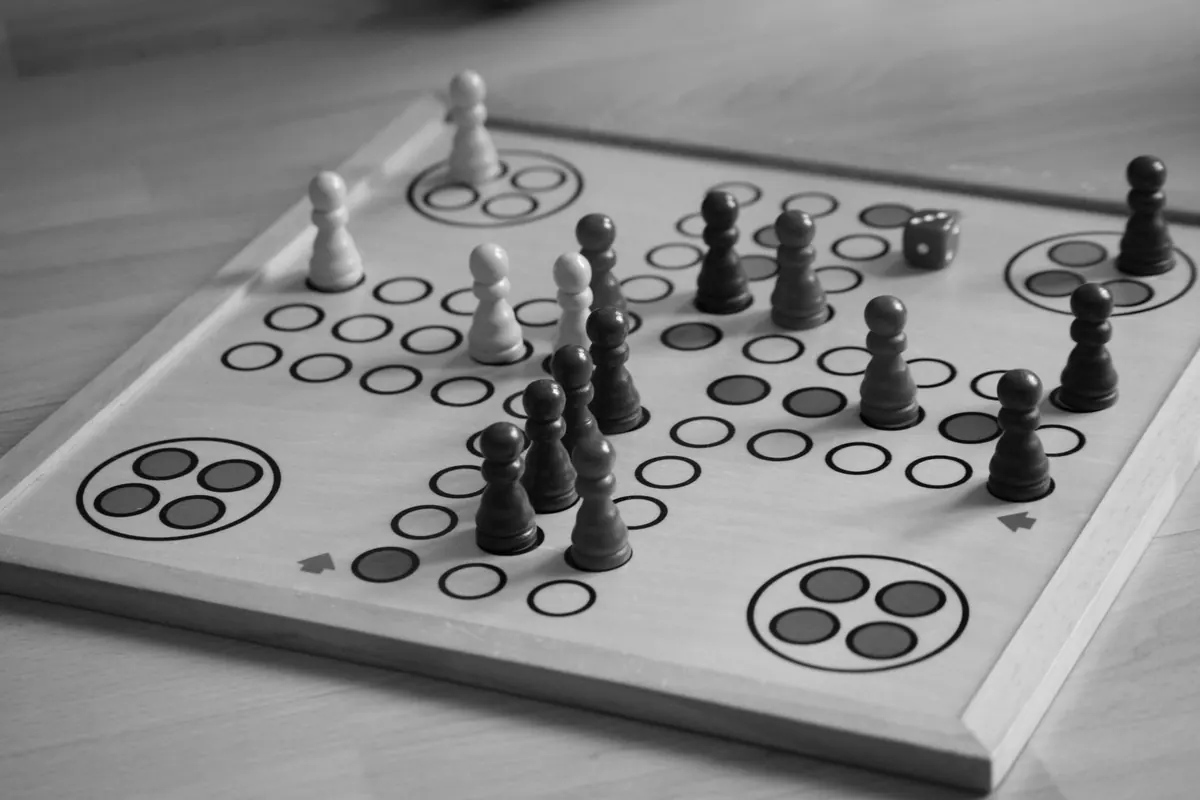
A wet Saturday afternoon has a way of shrinking a house. The board games are already out, the movie is already half-watched, and by four o'clock everyone is orbiting the kitchen looking for something to do. That is the moment to call a family challenge night: five quick games, one scoreboard, no trip to the store.
Everything below uses what you already own — socks, tape, plastic cups, a kitchen timer. Setup takes fifteen minutes or less, which matters when the rain has already set in and patience is running thin.
Before the First Raindrop: A Fifteen-Minute Setup
Clear one hallway or living room corner by pushing the coffee table against the wall and rolling back the rug. If the floor is tile or laminate, wipe it dry first — sliding socks on a damp floor is how ankles get twisted.
Then gather one box of supplies and leave it by the door for next time:
- Painter's tape (easier to remove than masking tape on wood floors)
- A kitchen timer or phone stopwatch
- Six to ten balled-up socks
- Eight plastic cups or empty food containers
- Three balloons, inflated and spare
- A scarf or sleep mask for a blindfold
- A basket, laundry or otherwise
- Index cards and a pen for the scoreboard
Score each game the same way: five points for first, three for second, one for everyone else. Write the totals on an index card and stick it to the fridge. Small stakes keep younger kids in the game longer than a trophy does.
The Five Challenges
1. The Sock Slide-Off
Tape three nested rectangles on the hallway floor: the outer ring is worth one point, the middle three, the smallest five. Players stand at the far end of the hall and slide a balled sock underhand toward the target, three throws each.
Once everyone has had a turn, add a wrinkle — slide while kneeling, or use the non-dominant hand. Younger kids throw from a closer tape line, and nobody argues about it because that line was already there. The best slides barely touch the floor, so demonstrate a low, flat release before the first round starts.
2. Blindfold Build
Pair everyone up. One partner wears the blindfold, the other can only talk — no hands, no pointing. On "go," the blindfolded player stacks cups, cereal boxes and books into the tallest tower they can manage in ninety seconds. Points go to height, with a two-point bonus if the tower is still standing when you count it.
The instructions are where the comedy lives. "A little left" means nothing to someone who cannot see, so partners quickly learn to say "move your hand toward the couch." Swap roles and play a second round; most families find the quiet kid turns out to be the best caller.
3. Balloon Bridge Relay
Each player crosses the room with a balloon balanced on an open palm, drops it into the laundry basket at the far end, then runs back and tags the next person. If the balloon hits the floor, that player starts over from the line. Teams of two or three work best in a normal-sized house.
For a harder round, players carry the balloon between their knees instead. Keep ceilings in mind — a low light fixture and a floating balloon are a bad combination, so check overhead before you start.
4. Snack Roulette
Set out ten small bowls, each holding one bite of something your family already eats: a pickle slice, a cracker, an apple wedge, a cheese cube, a spoon of plain yogurt, a spoon of jam, an olive. The blindfolded player tastes and names each one, earning a point per correct guess and a bonus point for the strangest item on the table.
Check with everyone about allergies and food restrictions before the bowls come out, and keep the spoons separate so nothing gets cross-contaminated. If someone is uncomfortable tasting blind, let them run the bowls instead and guess from the taster's reaction.
5. Sixty-Second Story Relay
Everyone sits in a circle. The first player opens with a single sentence — "The bus stopped in a town that wasn't on the map" — and the clock starts. Each person adds one sentence in turn, and whoever is speaking when the timer beeps has to land the ending.
Round two, hand out genres on index cards: spooky, western, cooking show, nature documentary. One rule keeps it fun for everyone: no killing off another player's character.
Filming It Without Turning It Into a Production
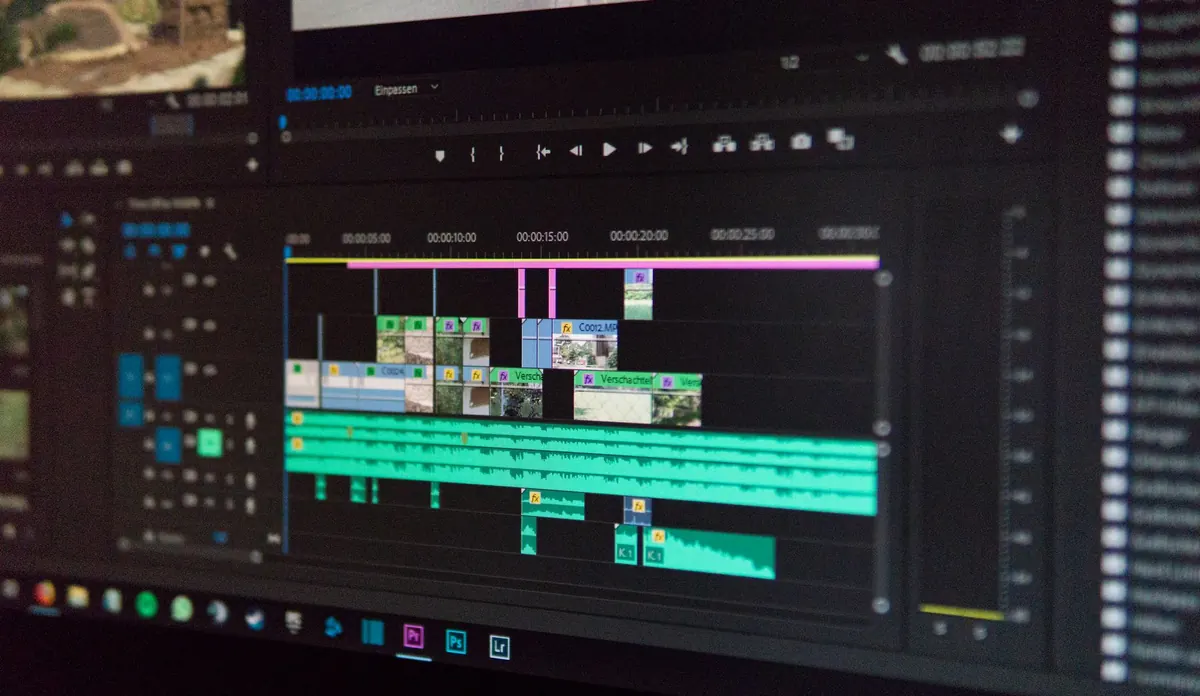
You do not need equipment, just a plan for where the phone sits. Pick a spot before the first game — a shelf, a chair back, a stack of books — and mark it with tape so every clip matches.
- Shoot horizontal for movement games like the relay and the sock slide, vertical for faces during the blindfold reveal and the story circle.
- Put the light source in front of the players, not behind them. A lamp beside the phone beats an overhead light that turns everyone into silhouettes.
- Record short clips, twenty to forty seconds each, instead of one long file. They are easier to review and easier to trim later.
- Grab a reaction clip right after the timer beeps. That two-second face is the part everyone rewinds.
- Give camera-shy kids a job behind the lens or on the scoreboard, and ask before filming anyone. A short cut that stays on the family tablet is usually the right call.
If grandparents live far away, prop the phone on a video call for the story relay. They get the good part without the drive.
Keep Score, Keep It Short, Keep the Tape
Three games make a good night; four if energy is still high. Save the story relay for last, because it winds everyone down without anyone noticing, and finish with a snack from the roulette bowls.
For prizes, skip the store. The winner gets first pick of dessert, the good seat on the couch, or a paper crown that lives on the fridge until the next rain. Write the scores on the back of the index card and keep them in the box — by spring you will have a season's worth of standings and a running rivalry that costs nothing.
Store everything in a shoe box labeled "rain box." The next gray afternoon, setup takes five minutes, the arguments start faster, and nobody has to ask what to do.
Photo: Joachim Schnürle / Pexels