
7 Kid-Friendly Challenge Ideas That Are Safe for Ages 4–8
Seven low-mess challenges built for four- to eight-year-olds, plus simple filming tips to help parents capture the fun without the chaos.
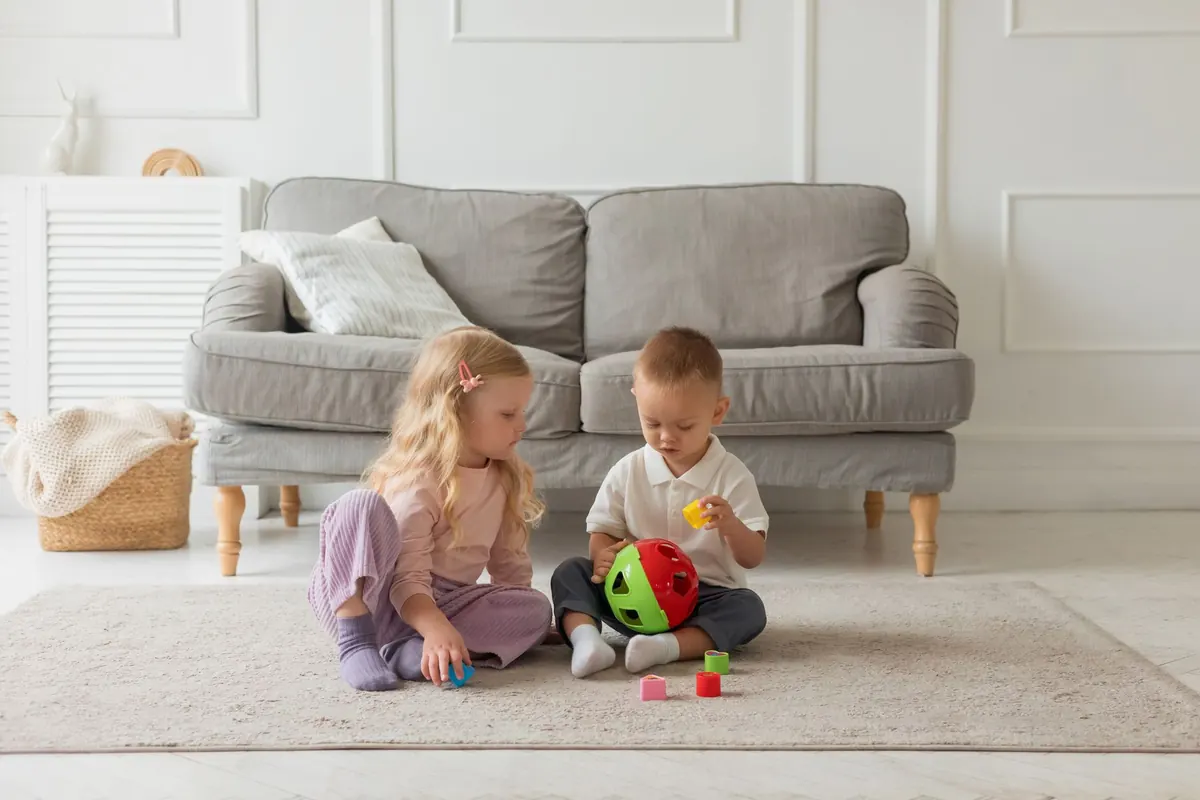
Ask a four-year-old to perform on camera and you'll get one of two reactions: wild enthusiasm or sudden shyness. Either way, the fix is the same. Pick something small, clear, and finishable in two minutes. The seven ideas below are built for little hands and short attention spans. They're low-mess, they need no special equipment, and every one of them can be filmed on a phone propped against a stack of books.
What Makes a Challenge Work for Ages 4–8
- One clear rule. If it takes three sentences to explain, it's too complicated.
- A visible finish line. A timer, a countdown, or an empty basket gives kids something to aim at.
- Low mess by design. Flour, slime, and water make great footage and very long afternoons. Save those for older kids.
- Room for mixed ages. A four-year-old and a seven-year-old should be able to play the same game, even if the older one wins.
- A short round. Two to five minutes per attempt is plenty at this age.
Before you press record, run one practice round with the camera off. Kids freeze far less when they already know what's coming.
1. The Sock Match Sprint
Tip a basket of clean socks onto the floor and mix them up. On "go," kids race the clock to pair every sock. A four-year-old can match colors; a seven-year-old can match patterns and fold the pairs. It burns energy, ends with a tidier floor than you started with, and gives you a natural before-and-after shot.
Filming tip: Shoot from above so the whole pile stays in frame, and call the time out loud so it lands in the audio instead of a caption.
2. Balloon Keepy-Uppy
One balloon, no hands, keep it off the floor. Count the taps out loud so everyone can hear the score climbing. Add rules for older kids — feet only, or feet planted in one spot. For four-year-olds, let them use hands and just chase it around. Keep a spare balloon inflated nearby so a pop doesn't end the game. If anyone in the house has a latex allergy, use a soft foam ball instead.
Filming tip: Frame wide and slightly low. A balloon spends most of its time above head height, and tight framing means you'll miss the best saves.
3. The 60-Second Color Hunt
Call a color, start a timer, and send the kids to bring back five things of that color. The one rule: items must already be in the room, and they go back where they came from when the round ends. It works in any room, needs no prep, and turns a rainy afternoon into ten minutes of running and sorting.
Filming tip: At the end, gather the finds in one spot and let each child name what they collected. That ten-second clip is usually the funniest part of the whole video.
4. Freeze Dance Freeze-Off
Play music, everyone dances, pause the track, everyone freezes. Instead of eliminating kids who wobble, give them a silly penalty — one spin, one jump, one dramatic bow. Nobody sits out, and the freeze moments are reliably funny on camera.
Filming tip: Park the phone somewhere stable and frame wide enough to catch everybody. If you're adding music in editing, check the platform's rules on background tracks first, or just clap and sing live.
5. The Sticker Treasure Hunt
Hide ten stickers around a single room. Kids hunt them down and stick each one onto a piece of card. Older children get written clues; younger ones get "warmer, colder" hints from a grown-up. Give each child a different sticker color so nobody argues over who found what.
Filming tip: Ask each child to describe their favorite hiding spot straight to the camera. It's a quick, easy way to get a talking-head moment without a full interview.
6. The Cup Tower Timed Build
Hand out the same number of paper or plastic cups to each player, set a timer, and build the tallest tower you can before it runs out. Four-year-olds do better with bigger cups. The towers collapse in seconds, which makes for a satisfying ending shot every time.
Filming tip: Set the phone on a shelf so the tower stays in frame as it grows. A leaning tower that drifts out of shot is a wasted take.
7. Describe and Draw
One player holds a simple picture — a house, a cat, a boat — and describes it without saying what it is. The other player draws from the description alone. Kids aged five and up can describe; four-year-olds usually prefer to be the artist while a grown-up talks. The finished drawings are worth keeping.
Filming tip: Film the paper while the drawing happens, then cut to the reaction when the real picture is revealed. Two short shots beat one long one.
Before You Post: Quick Filming and Safety Notes
- Keep sessions short. Fifteen to twenty minutes is usually the ceiling before fun turns into a meltdown.
- Roll in short takes. Ten to thirty seconds per clip is easier to edit and easier for kids to repeat.
- Use window light. Turn off the overheads and have kids face a window. It's the cheapest upgrade to any phone video.
- Watch the background. House numbers, street signs, school uniforms, and name tags can all identify a child.
- Ask before uploading. That goes double when other people's children appear in the frame.
- Stop when they say stop. If a child asks you to turn the camera off, do it the first time, every time.
The best family challenge videos aren't the ones with the biggest reactions. They're the ones where everyone is still laughing at the end. If a challenge flops, cut it and try another one next week — there's no shortage of afternoons.
One last thing: platforms have their own rules about content featuring children, and privacy settings change more often than most of us check them. If you're unsure how those rules apply to your channel, it's worth reading the platform's own guidance or asking someone who knows it well before you post.
Photo: Polesie Toys / Pexels